Dear St. Cecilia Family,

I pray you and your loved ones are having a blessed and fruitful Lent. As we enter the final weeks of this season, we find ourselves at the threshold of the most sacred days of our liturgical year. We have spent these forty days in the “desert” of prayer, fasting, and almsgiving, stripping away distractions to make more room for God in our hearts.

Now, we prepare to transition from the quiet sacrifices of Lent into the radiant glory of the Resurrection at Easter. We accompany our Lord on His journey in a particular way in Holy Week. These mysteries are at the heart of our faith: from our Lord’s triumphant entry into Jerusalem on Palm Sunday, to His leaving us the memorial of His sacrifice on Holy Thursday, to His sorrowful passion and death on Good Friday and glorious resurrection on Easter Sunday.

I invite you to participate in our beautiful and meaning-filled liturgies to the fullest extent you can. In celebrating these liturgies, the love of our Lord Jesus will dispel your burdens and anxieties and fill you with His hope. I also invite you to share beauty, truth and joy of these great mysteries with someone. Talk about them with your children. Invite a friend to a service. Encourage a co-worker’s faith. 

Thank you for your continued spiritual and material support of St. Cecilia Cathedral Parish. May our Lord pour out His blessings and mercy upon you and your families this Easter season. May this time bring you a renewed sense of hope and a deeper encounter with the Risen Lord. May you have a joyful and blessed Easter, and may the warm love of our Risen Lord fill our homes and transform our hearts!

~ Fr. Jeremy Hans, pastor


Confession

Why go to confession? Jesus gave us the sacrament of Confession when He breathed on the Apostles saying, “Receive the Holy Spirit. If you forgive the sins of any, they are forgiven; if you retain the sins of any, they are retained” (Jn 20:22-23). This authority to forgive sins has been passed on from the apostles to the priests of our own time through the sacrament of Holy Orders. Confession is the only ordinary means of forgiveness for mortal sins committed after baptism. Though other extraordinary means are possible, they are never guaranteed and should not be presumed upon. As all sacraments do, it also bestows an increase of grace.

Essential to a good confession is contrition: “turning away” from past sin with a resolve to sin no more (see Ezek 33:11; Jn 8:11). Since contrition implies a knowledge of one’s own sins, we should examine our conscience before confession. During confession, we should state our sins humbly and frankly, avoiding any details that go beyond the nature of the sin or the circumstances affecting its gravity.


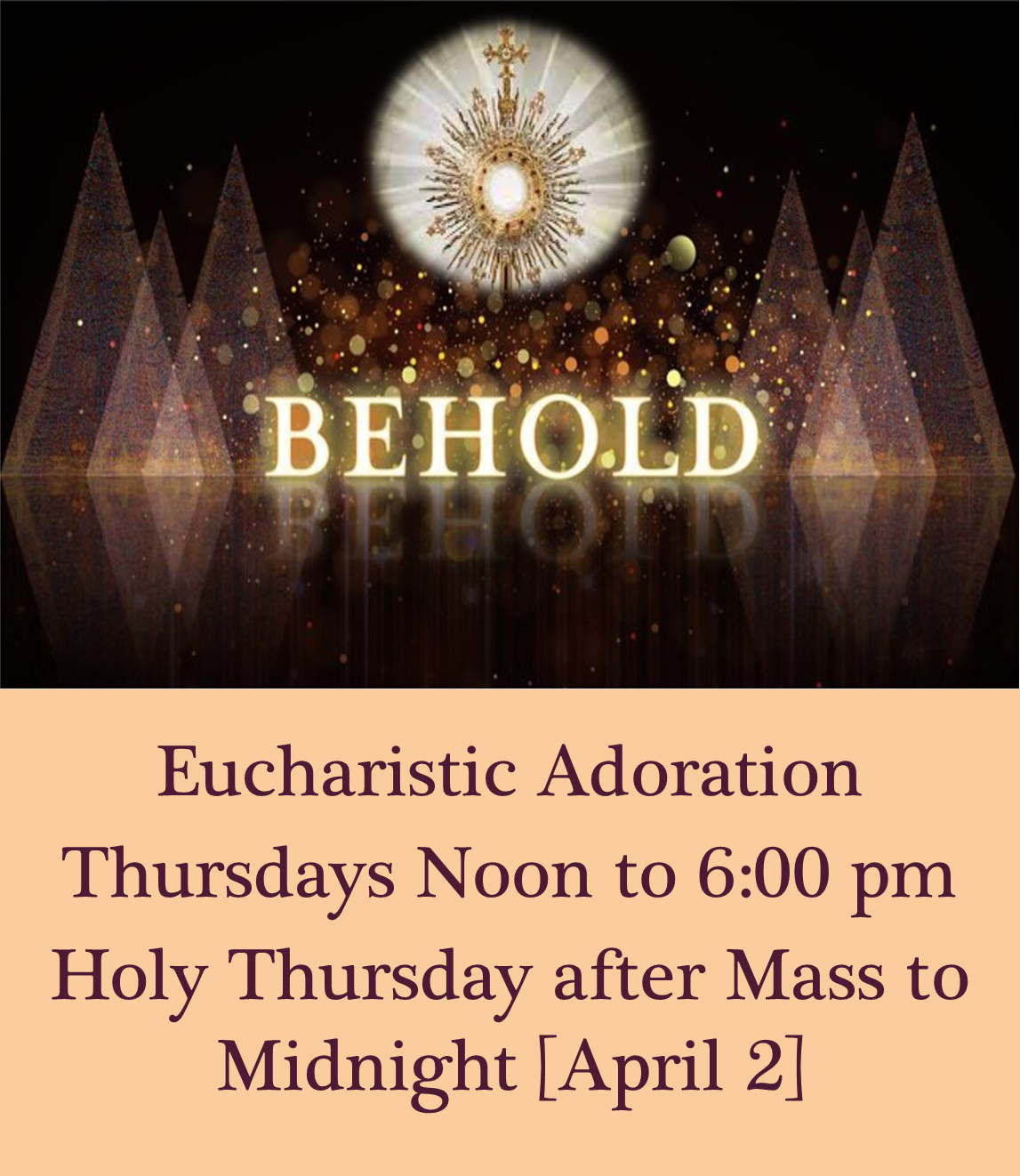
Adoration

Most Catholics have gone to adoration to visit our Eucharistic Lord in the tabernacle. For some of us this visit is a recurring pilgrimage, part of our weekly or even daily routine. Some of us may have gone once or twice but remain uncertain about the difference between common prayer and adoration. We might wonder about the purpose and meaning of frequent adoration, and whether we should do it more often.

What exactly is happening when we receive the Eucharist during Mass or pray in front of the Eucharist in the Blessed Sacrament? Is it worth our time? Is something real taking place?

Walk With Jesus

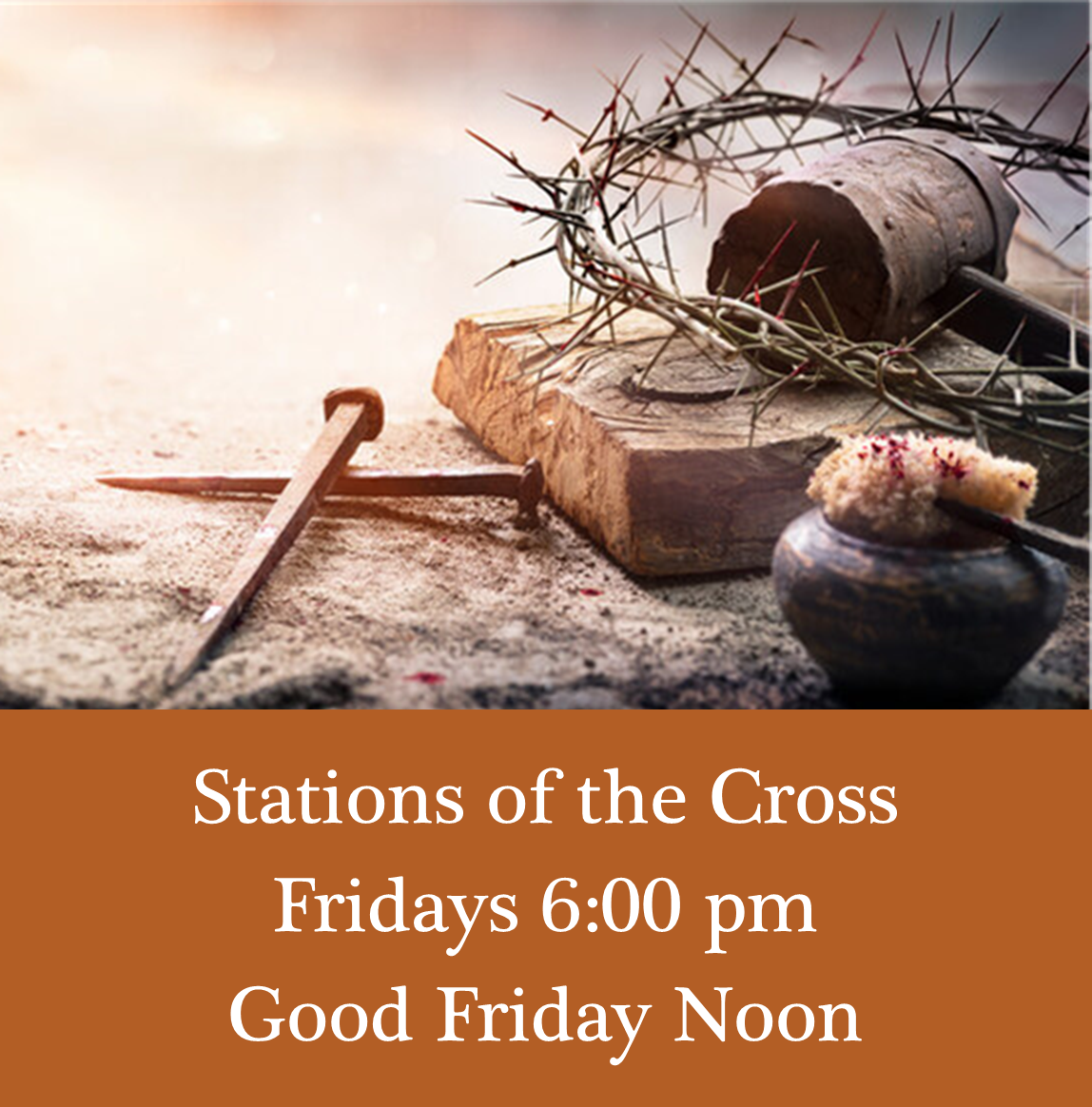
The Stations of the Cross is one of the most simple, yet powerful, ways to prayerfully walk alongside Jesus and encounter him like never before.

There are fourteen Stations of the Cross. Each is an invitation to contemplate and experience a pivotal moment from Jesus’ sentencing to his death to his burial. They are a powerful way to step into some of the most significant moments in human history and encounter Jesus like never before. One of the most impactful times to pray the Stations of the Cross is during Holy Week, especially on Good Friday.

For over 1000 years, Catholics have been devoted to praying the Stations of the Cross. And for over 1000 years, this deep spiritual exercise has been transforming lives. Dive into this ancient and powerful meditation on the sacrifice of Jesus and it will change your life too.

Palm Sunday

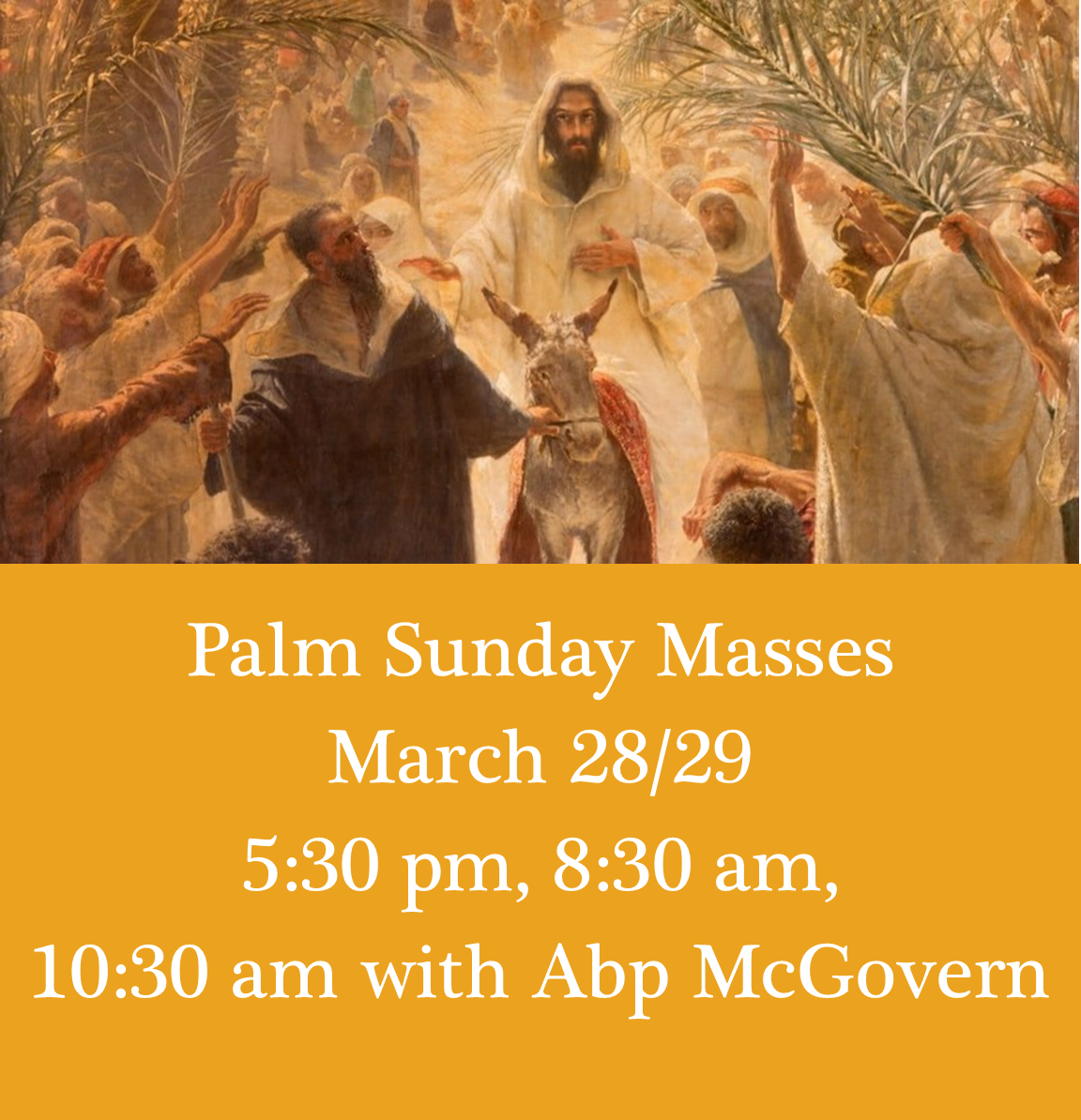
Palm Sunday is the beginning of Holy Week, and commemorates the triumphant arrival of Christ in Jerusalem, days before He was crucified. In the Gospels, Jesus entered Jerusalem riding a donkey to praise of the townspeople who threw clothes, or possibly palms or small branches, in front of Him as a sign of homage.

At Palm Sunday Mass, you’ll also receive blessed palm branches. Many people keep these palm branches all year, using them as a religious decoration in their home or weaving them into a cross shape. Since palm branches are a blessed item, they should not be thrown in the trash. If you do not want to keep your branch, you can return it to the church where it will be burned for ashes the following Ash Wednesday!

Chrism Mass

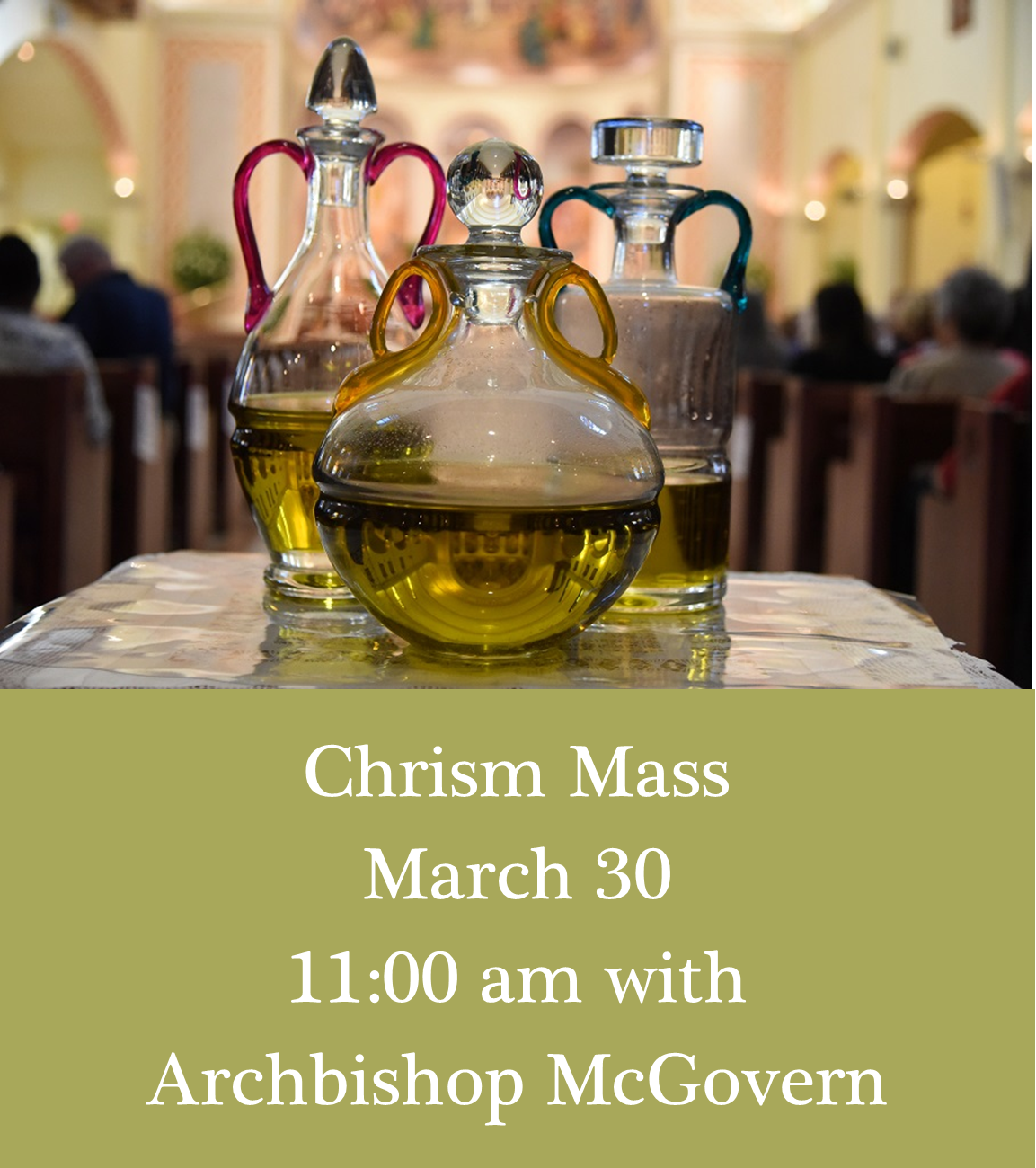
Archbishop McGovern and the priests of the Archdiocese gather at the Cathedral to celebrate the Chrism Mass. This Mass manifests the unity of the priests with their bishop. An important moment of the Chrism Mass is that every priest within the diocese renews his priestly promise. We’re also invited to pray for all priests and their ministry.

At the Mass the bishop blesses three oils – the oil of catechumens, the oil of the infirm, and holy chrism – which will be used in the administration of the sacraments throughout year.

All  are invited to attend the Mass.


Holy Week at Cathedral

Holy Week is the most important week in Catholicism. This week of great reverence and reflection spans the final eight days of Jesus’ life—from Palm Sunday to Easter Sunday.

  • Palm Sunday, Jesus triumphantly enters Jerusalem
  • Monday of Holy Week, Jesus clears out the temple with a whip
  • Tuesday of Holy Week, Jesus is anointed with oil at Bethany and preaches on the Mount of Olives
  • Spy Wednesday, Jesus is betrayed by Judas
  • Holy Thursday, Jesus celebrates the Last Supper, prays in the Garden of Gethsemane, and is arrested
  • Good Friday, Jesus is sentenced to death, scourged, beaten, crucified, and dies on the Cross
  • Holy Saturday, Jesus is buried in the tomb and descends into hell
  • Easter Sunday, Jesus rises from the dead

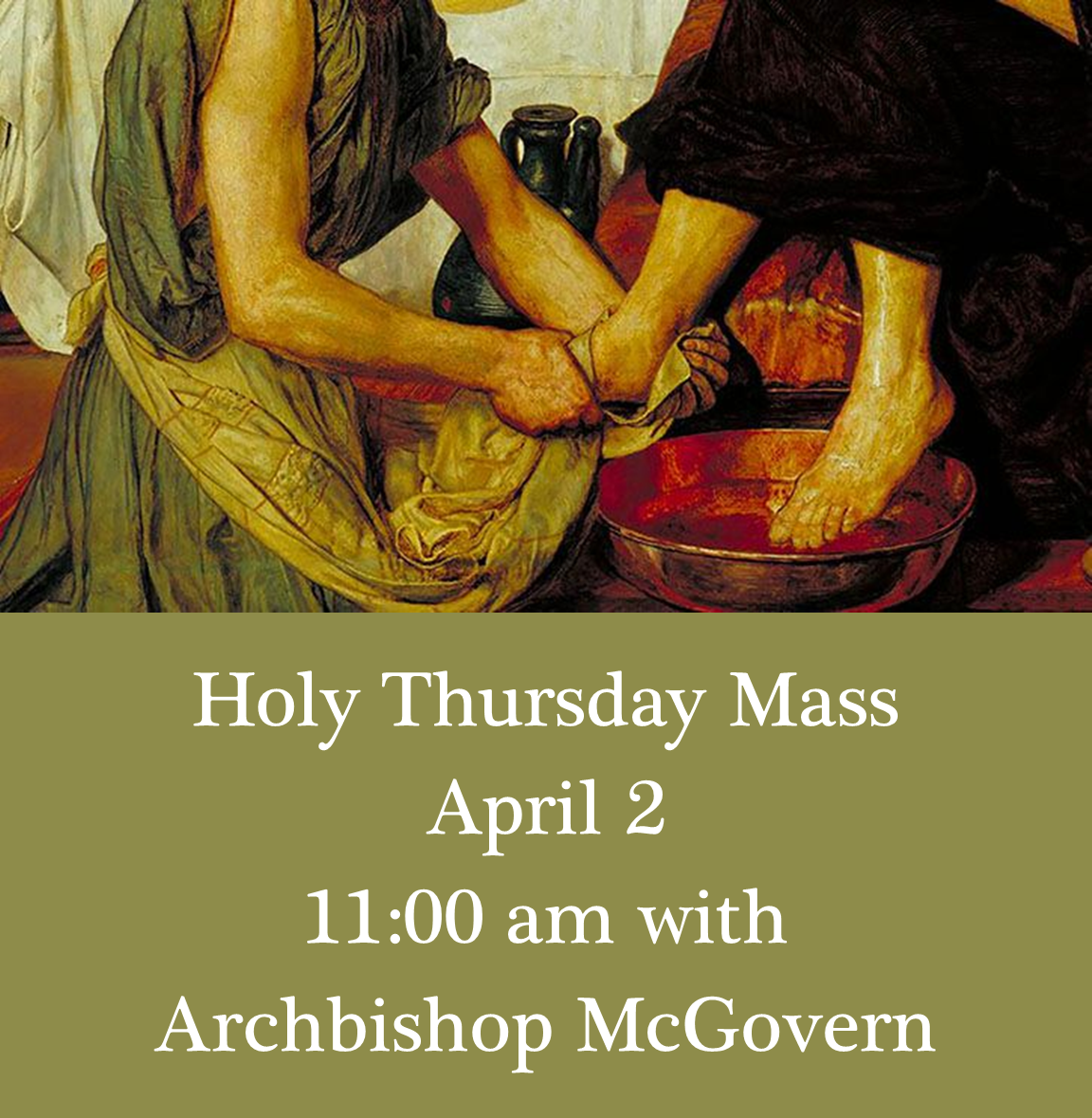
Holy Thursday

Eucharistic Adoration follows Mass until Midnight.

With this Mass the Church begins the sacred Easter Triduum and devotes herself to the remembrance of the Last Supper.

This Mass is, first of all, the memorial of the institution of the Eucharist, that is, of the memorial of the Lord’s Passover, by which under sacramental signs He perpetuated among us the sacrifice of the New Law.

The Mass of the Lord’s Supper is also the memorial of the institution of the priesthood, by which Christ’s mission and sacrifice are perpetuated in the world.


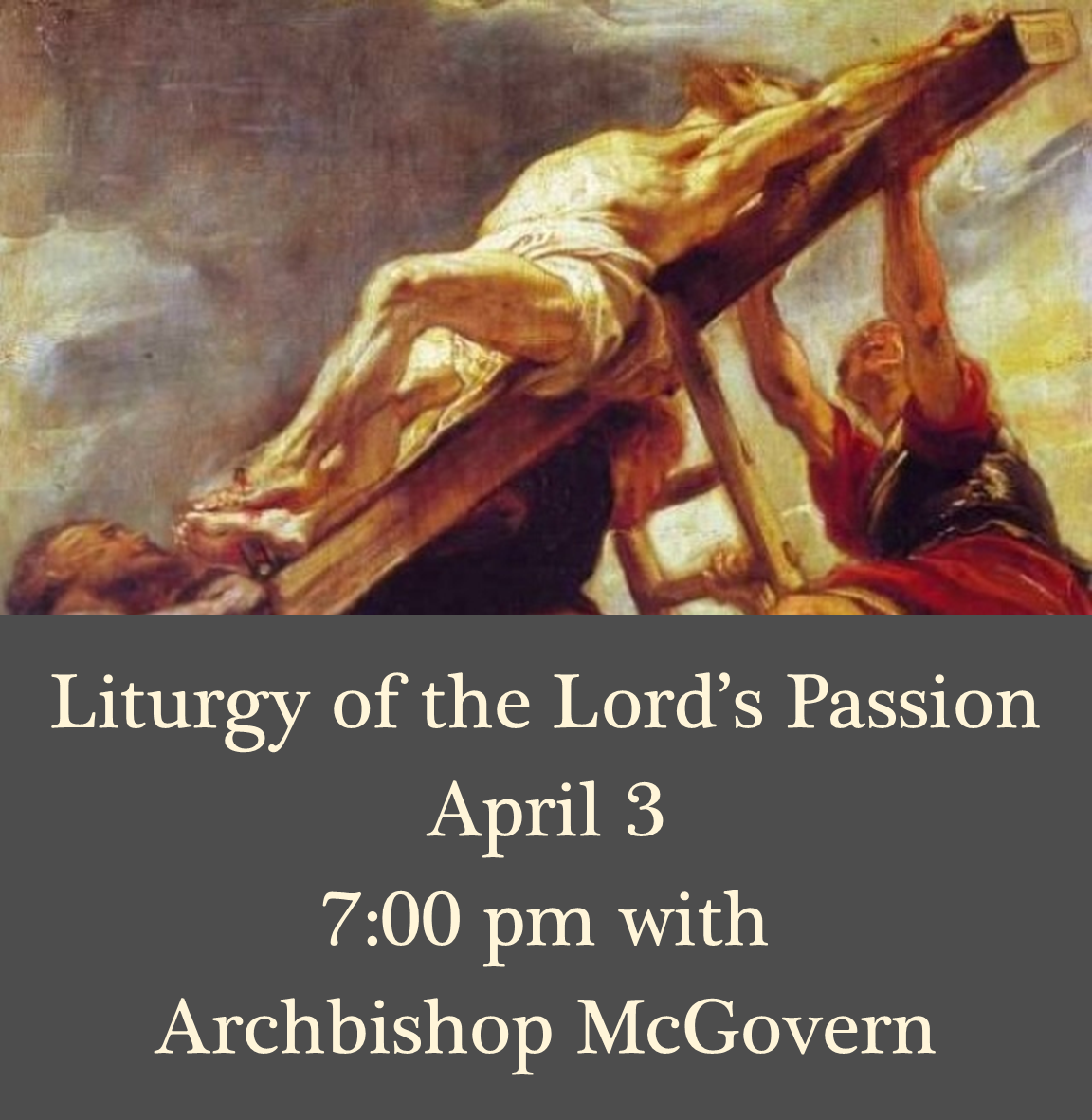
Good Friday

Stations of the Cross: Noon

Good Friday is the most solemn day of the Christian year. It is the day our Savior died for us. It is the day we were redeemed from our sins by the voluntary death of God Himself at the hands of man. This day of penance is observed as an obligation through abstinence and fasting.


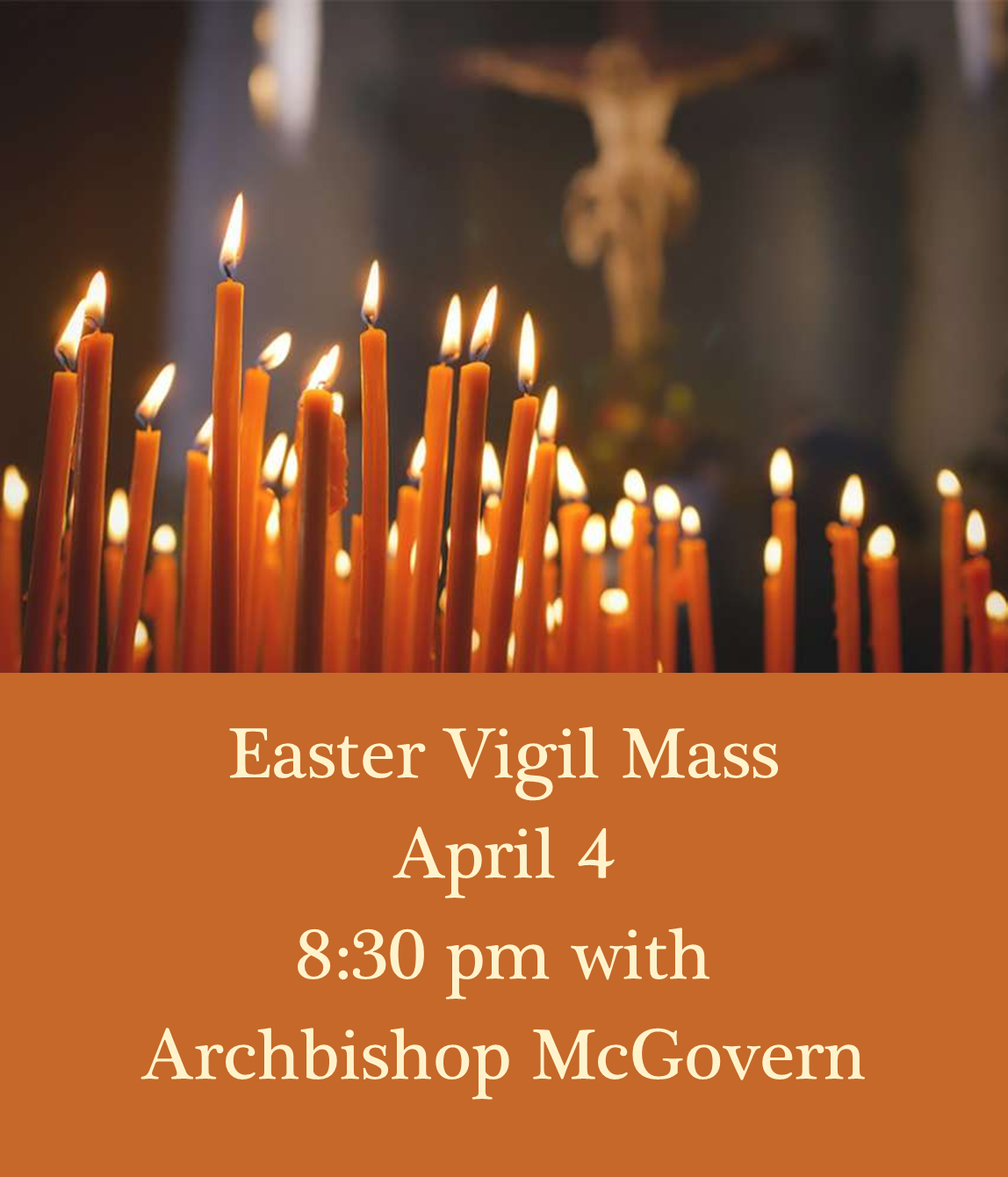
Easter Vigil

The Easter Vigil is the greatest liturgy of the entire year in the Roman Rite of the Catholic Church, referred to as the “mother of all vigils” (St. Augustine). Christ is seen throughout in amazing grandeur. Important elements of the Easter Vigil are fire, beautiful music, abundant proclamation of the Word of God, blessing of baptismal  water, celebration of the sacraments of initiation, and renewing our own promises.


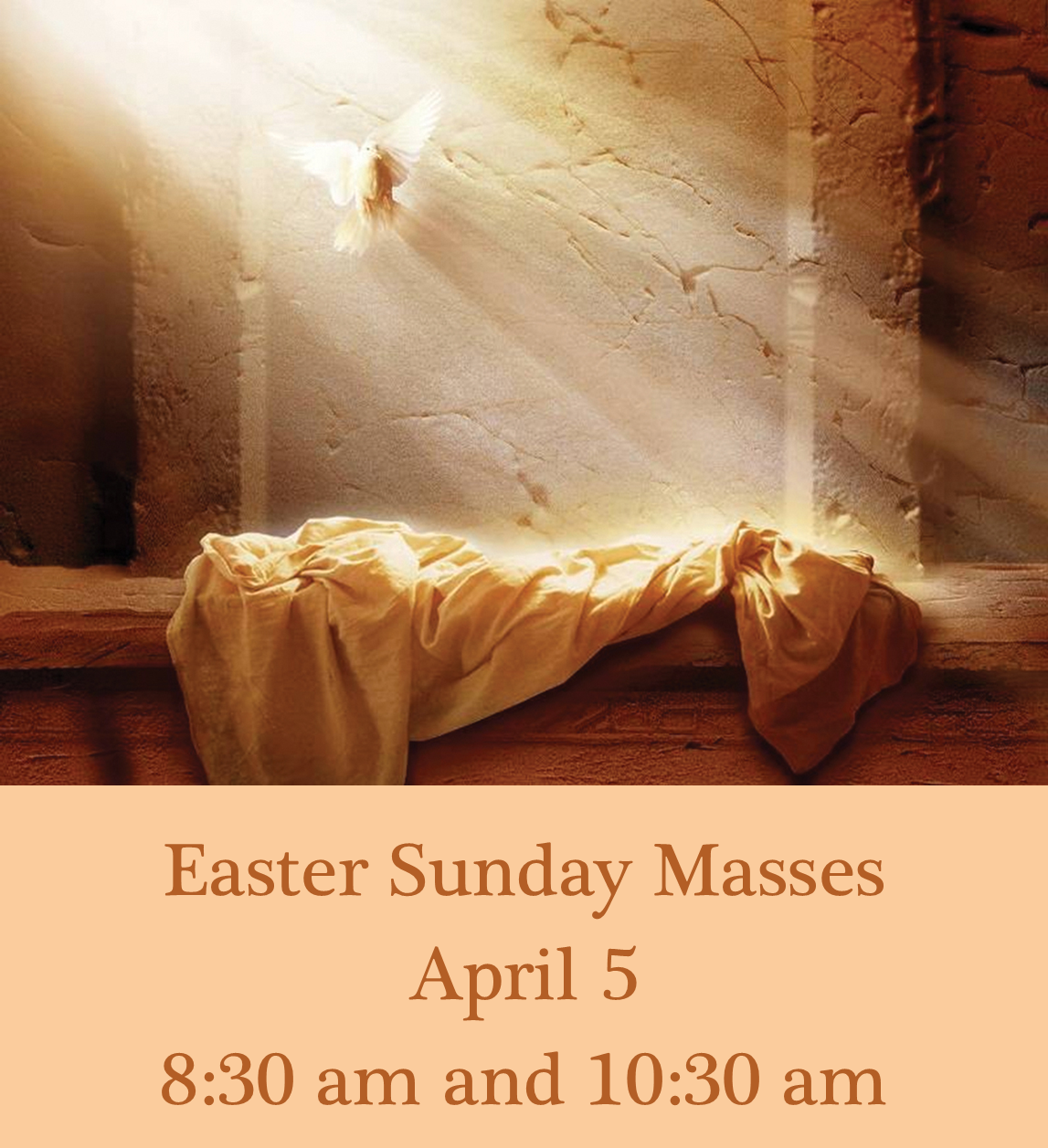
Easter Sunday Masses

As we know from the Gospels, Jesus Christ rose from the dead on the third day following His crucifixion, which would be Sunday. His  resurrection marks the triumph of good over evil, sin and death. It is the most important day in history. It is the singular event which proves that those who trust in God and accept Christ will be raised from the dead.

Easter is not just a one-day celebration; it’s an entire season! The time of celebration begins on Easter Sunday and goes all the way through to Pentecost.